- Serving Tulsa & the 918 metro
- Open 24/7 for emergency garage door calls


Garage Door Opener Repair in Tulsa, OK
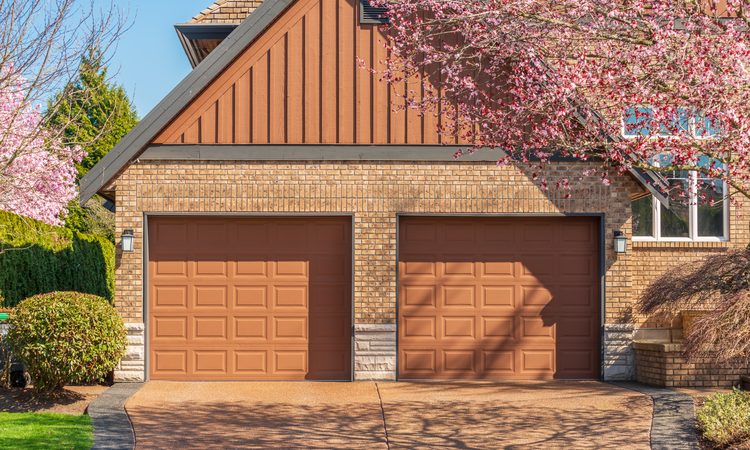
The first thing we check is whether the opener is actually the problem. About a third of the opener calls we run turn out to be something else, a broken spring making the door too heavy, a bent track, or safety sensors knocked out of alignment by a trash can. Diagnosing that on the phone saves you money, which is why we ask what the door is doing before quoting anything.
When the opener itself is the failure, the common culprits are stripped drive gears, worn trolleys and chains, failed logic boards, and burned-out motors. Chain, belt, and screw drive units all have their own failure patterns, and Oklahoma heat is hard on the plastic gear sets in builder-grade units mounted in uninsulated garages.
Repair or Replace: The Honest Math
A gear kit on a 5-year-old opener is an easy yes. A logic board on a 15-year-old unit usually is not, and we will tell you which side of the line you are on.
- Gear and sprocket replacement on the major brands
- Safety sensor alignment and rewiring after string trimmer and remodel damage
- Remote, keypad, and wall button programming, including rolling-code remotes
- Full opener replacement with belt-drive and battery-backup options when repair does not pencil out
Schedule Opener Repair in Tulsa
Openers made after 1993 must have working safety reversal, the photo eyes near the floor that stop the door from closing on a person or a pet. If your door only closes when you hold the wall button down, the sensors are telling you something and the fix is usually fast and cheap.
Power surges from summer storms take out logic boards across the metro every year. If the opener died the same night as a storm, mention it. Surge damage shows up in a specific way and it changes what we bring on the truck.
Call with the brand and the symptom and we will give you a range on the phone. If a new unit makes more sense, opener installation is quoted flat, hardware and labor together, with no teaser price that grows at the door. Typical numbers live on the cost page.
The Opener Visit, Step by Step
Diagnosis comes first, and it starts before the opener: the technician pulls the release cord and lifts the door by hand. If the door is heavy or uneven, the problem is springs or balance, not the opener, and fixing the opener without fixing the balance just kills the new parts too. That check alone is why phone diagnosis only goes so far.
If the opener is the patient, the usual suspects get worked in order: drive gear and sprocket wear, trolley and rail condition, sensor alignment and wiring, then the logic board. Repairs are quoted per part, in writing, and if the running total on an old unit approaches replacement cost, you hear that math out loud before anything is installed.
Opener Questions We Hear Weekly
Why does the door reverse before touching the floor? Almost always the photo eyes, misaligned, blocked, or sun-blinded, or a close-force setting that thinks the floor arrived early. Quick fix either way.
Should I buy a battery-backup opener? If your garage is the main entrance, it is worth real money. Oklahoma outages cluster with exactly the storms that make you want the car indoors.
Belt or chain? Belt drives run quieter, which matters under bedrooms. Chains are cheaper and tow heavier doors happily. Both last if the door is balanced; neither survives a door that is not.
Smart Openers, Old Wiring, and What Transfers
A fair number of Tulsa opener calls end with a modernization question: if the unit is being replaced anyway, what does a current opener actually add? The honest list is short but real. Belt drives run dramatically quieter than the chain units builders installed in the 2000s, which matters when a bedroom sits over the garage. Battery backup keeps the door working through the storm outages that cluster with Oklahoma weather. And app control ends the did-I-close-the-garage debate from the road, plus lets you open the door remotely for a delivery or a neighbor.
What transfers from the old setup: usually the rail hardware does not, but properly balanced springs, good track, and sound framing all do, which is why we check balance before hanging a new unit. An opener installed on an unbalanced door dies young no matter what brand is on the box, and no honest installer skips that check. If your existing keypad and remotes are rolling-code compatible they can sometimes be re-paired; if not, new ones come with the unit and get programmed before the truck leaves.
Before You Call: a 60-Second Self-Check
Three checks solve a surprising share of opener calls for free. First, the outlet: garage GFCI outlets trip in storms, and an opener with no lights is often just unplugged from power at the breaker or the reset button. Second, the lock button: most wall consoles have a lock feature, and a toddler or a moving box presses it more often than anyone admits. Third, the photo eyes: both should show steady lights, and a blinking one means alignment, not failure. If all three pass and the door still misbehaves, now it is a real service call, and you will have saved the diagnostic time either way.

Schedule Garage Door Service
Tell us what the door is doing and we will call you back with a price range
24/7 Garage Door Repair, Installation
& Replacement Across the 918